OpenClaw Core Rebuilt in One Workflow: 25 Blocks, Open Source
See how SimClaw recreates the OpenClaw core with 25 blocks, memory, and Telegram/Slack channels—auto-built from one prompt on an open-source stack.
 cpaua1 min276
See how SimClaw recreates the OpenClaw core with 25 blocks, memory, and Telegram/Slack channels—auto-built from one prompt on an open-source stack.
cpaua1 min276Vector search ranks chunks, not relationships—limiting multi-hop answers. See GraphRAG-Bench gaps in complex reasoning and summarization, and explore GraphRAG SDK.
cpaua1 min322Cursor SDK is now in public beta. Build AI agents on Cursor’s runtime and models, run locally or in Cursor cloud, and use open-source starters.
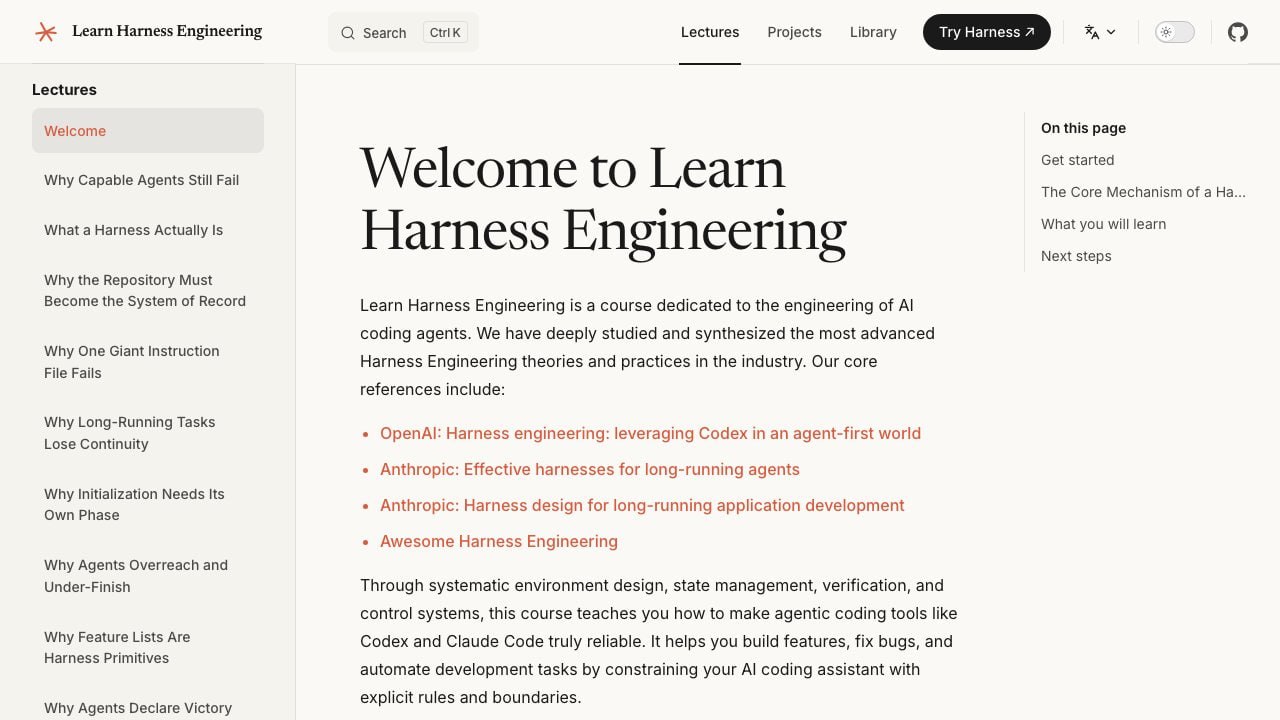
cpaua1 min422GitHub course on Harness Engineering: 12 lessons, 6 projects, and templates to build traceable, resumable, verifiable AI collaboration with consistent results.
cpaua1 min478Learn how Gemini Skills in Chrome let you create reusable slash commands to automate research and web app actions on desktop with English (US) language.
cpaua1 min358Claude introduces new creative connectors for Blender, Autodesk Fusion, Adobe Creative Cloud, Ableton, Canva and more—plus joins the Blender Development Fund.
cpaua1 min416Open-source MIT Figma plugin extracts local tokens and variables to DESIGN.md and SKILL.md—local processing, no API calls, works with major AI tools.
cpaua1 min398Nico Martin built a fully local AI agent that runs in the browser using Gemma4, WebGPU, and Transformers.js to search history, summarize pages, and manage tabs.
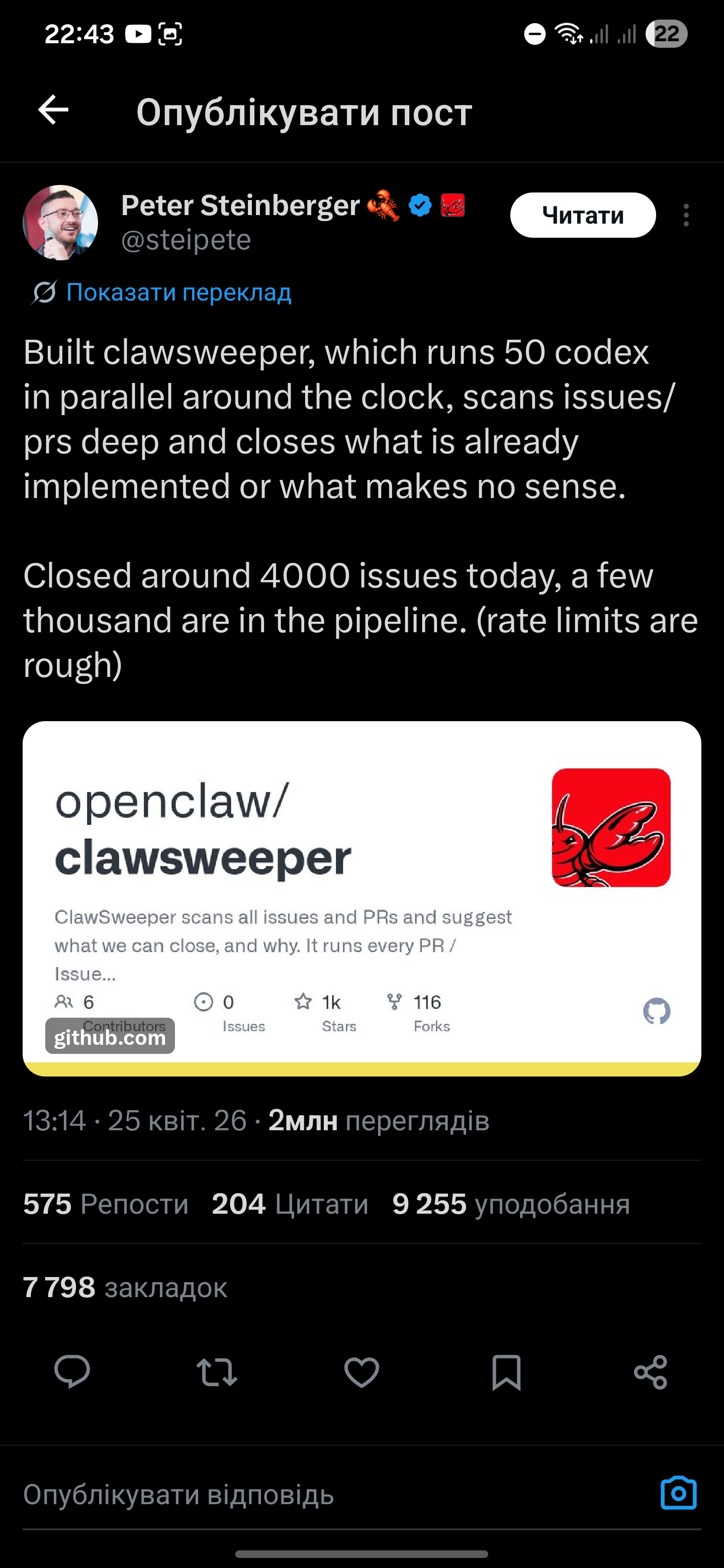
cpaua1 min338The way software is built and maintained is rapidly evolving — and AI is no longer just a helper, but an active participant. One striking example comes from OpenClaw, who demonstrated how massively parallel AI agents can transform GitHub workflows.
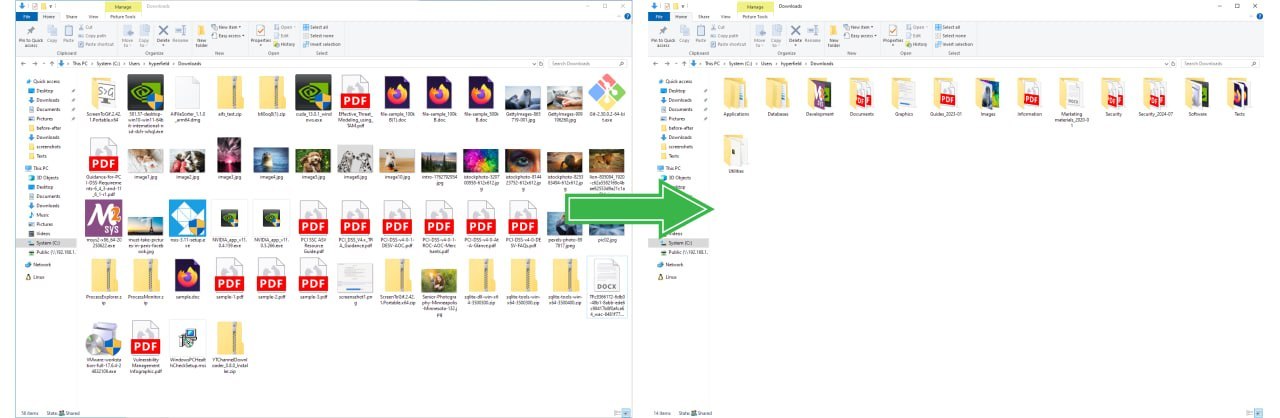
cpaua2 min350Cross-platform desktop app that uses AI to organize and rename files by content. Supports local/remote LLMs, previews changes, and works on Linux, macOS, Windows.
cpaua1 min352